
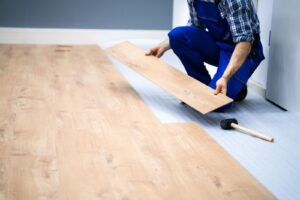
 Concrete subfloors are common in basements, slab-on-grade homes, condos, and commercial spaces. Installing flooring over concrete can be a great solution—but it’s not always the right one for every situation. Understanding the advantages and potential drawbacks will help you choose the right flooring and avoid costly mistakes.
✅ Pros of Installing Flooring Over Concrete
1. Strong, Durable Subfloor
Concrete provides a solid, stable base that doesn’t flex like wood framing. This stability is ideal for many modern flooring options and helps prevent squeaks and movement over time.
2. Wide Range of Flooring Options
With proper preparation, concrete can support: – Luxury vinyl plank (LVP) – Tile and stone – Engineered hardwood – Carpet – Polished or stained concrete
This versatility makes concrete suitable for both residential and commercial projects.
3. Moisture Resistance (When Done Correctly)
Unlike wood subfloors, concrete won’t rot. With proper moisture testing and vapor barriers, many flooring systems perform very well over concrete—especially vinyl and tile.
4. Cost Savings in New Construction
In slab-on-grade homes, the concrete slab already exists, eliminating the cost of a wood subfloor system. This can reduce overall construction and installation costs.
5. Radiant Heat Compatibility
Concrete works exceptionally well with radiant floor heating systems, providing consistent and efficient warmth under tile, engineered wood, or vinyl flooring.
❌ Cons of Installing Flooring Over Concrete
1. Moisture Issues
Concrete is porous and can transmit moisture vapor. Without proper testing and mitigation, moisture can cause: – Adhesive failure – Warping or cupping – Mold or mildew
Moisture mitigation systems or vapor barriers are often required, adding cost.
2. Cold and Hard Underfoot
Concrete floors can feel cold and unforgiving, especially in basements or winter months. This may require: – Underlayment – Area rugs – Radiant heating
3. Leveling May Be Required
Concrete slabs are rarely perfectly flat. Many flooring products require tight flatness tolerances, meaning: – Grinding high spots – Applying self-leveling compound
This prep work can increase labor time and expense.
4. Limited Solid Hardwood Options
Traditional solid hardwood is generally not recommended over concrete due to moisture sensitivity. Engineered hardwood is usually the safer alternative.
5. Installation Complexity
Installing flooring over concrete often involves additional steps such as: – Moisture testing (RH or calcium chloride) – Crack isolation membranes – Vapor barriers
Skipping these steps can void warranties and shorten the life of the floor.
Best Flooring Types for Concrete Subfloors
- Luxury Vinyl Plank (LVP): Highly moisture-resistant and forgiving
- Porcelain or Ceramic Tile: Ideal for durability and moisture
- Engineered Hardwood: Designed to handle slab installations
- Carpet with Moisture Barrier Padding: Adds warmth and comfort
Final Thoughts
Installing flooring over concrete can be an excellent choice when done correctly. The key is proper preparation—moisture testing, leveling, and choosing the right flooring material for the environment. While concrete offers strength and versatility, ignoring its limitations can lead to premature failure.
If you’re considering new floors over a concrete slab, consulting with a professional installer can save you time, money, and frustration in the long run.