
Even the best floors show signs of wear over time. Daily foot traffic, pets, furniture movement, humidity changes, and spills can all take a toll. The good news? Many common flooring issues—like scratches, gaps, and stains—can be fixed or minimized without a full replacement.
Below, we’ll break down why these problems happen, how to fix them, and when it’s time to call a professional.
1. How to Fix Scratches in Flooring
Scratches are one of the most common flooring complaints, especially in hardwood, engineered wood, and laminate.
Common Causes
-
Furniture being dragged without pads
-
Pet nails
-
Grit, sand, and debris tracked inside
-
High-heel shoes
Fixes by Severity
Light Surface Scratches
-
Use a hardwood floor cleaner and microfiber cloth first—sometimes it’s just residue.
-
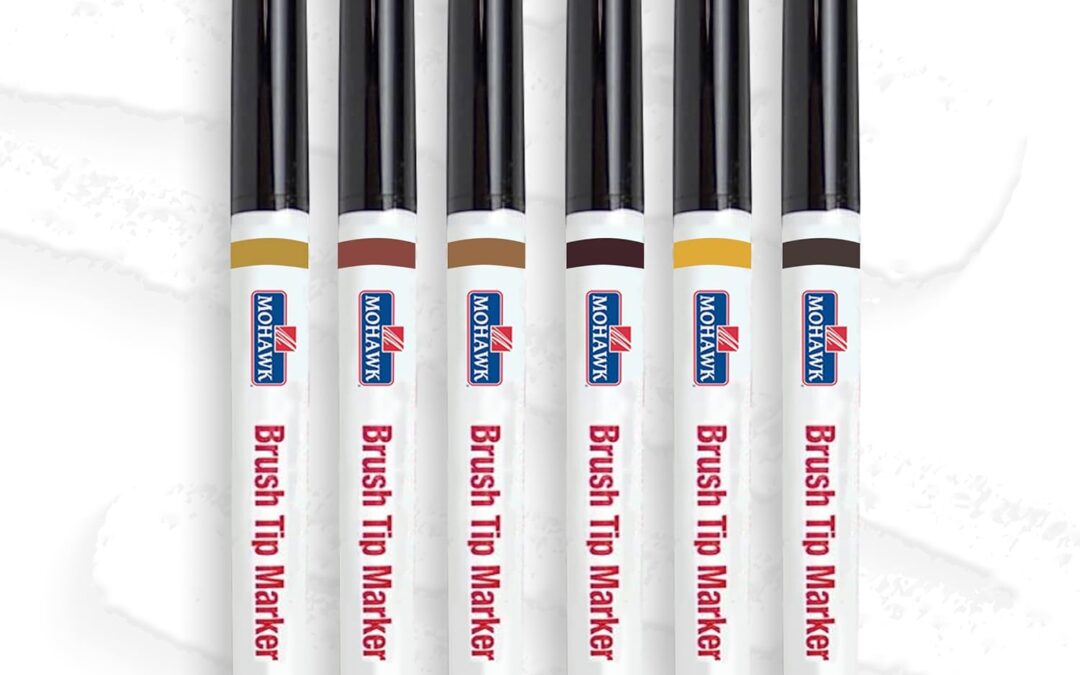
Apply a wood touch-up marker or wax repair stick matched to your floor color.
-
For laminate or LVP, use a manufacturer-approved repair kit.
Moderate Scratches
-
Gently rub with fine steel wool (for real hardwood only).
-
Apply a matching stain, then seal with polyurethane.
-
Buff lightly once dry.
Deep Scratches or Gouges
-
Use wood filler that matches your floor color.
-
Sand smooth once dry.
-
Re-stain and seal.
-
If damage is widespread, screen and recoat or refinishing may be the best solution.
💡 Prevention Tip: Use felt pads under furniture legs and keep pet nails trimmed.
2. How to Fix Gaps Between Floorboards
Gaps are especially common in hardwood floors and often appear seasonally.
Why Gaps Happen
-
Changes in humidity (wood shrinks in winter, expands in summer)
-
Improper installation
-
Natural aging of wood floors
How to Fix Them
Seasonal Gaps
-
These often close naturally when humidity levels rise.
-
Use a humidifier in winter to maintain 35–55% indoor humidity.
Persistent or Large Gaps
-
Fill gaps with wood filler or latex-based wood putty.
-
For wider gaps, use wood slivers or spline repair glued into place.
-
Color-match carefully for a seamless look.
Floating Floors (Laminate/LVP)
-
Gaps may indicate the floor has shifted.
-
Re-engaging planks or reinstalling affected sections may be required.
⚠️ Important: Avoid filling seasonal gaps with rigid materials—they can cause buckling when the wood expands.
3. How to Remove Stains from Flooring
Stains vary widely depending on the flooring material and the type of spill.
Common Stain Types
-
Water stains
-
Pet accidents
-
Food and drink spills
-
Oil or grease
Stain Removal by Flooring Type
Hardwood Floors
-
Dark water stains: Light sanding followed by hydrogen peroxide treatment.
-
Pet stains: Use an enzyme-based cleaner; severe stains may require board replacement.
-
Oil stains: Apply baking soda or mineral spirits carefully.
Laminate Floors
-
Use a damp (not wet) microfiber cloth.
-
For stubborn stains, try isopropyl alcohol or acetone sparingly.
-
Never soak laminate—it can swell and warp.
Luxury Vinyl (LVP/LVT)
-
Most stains clean easily with mild soap and water.
-
For tougher stains, use a manufacturer-approved cleaner.
-
Avoid abrasive scrubbers.
🧽 Pro Tip: Always test cleaning solutions in an inconspicuous area first.
When to Call a Flooring Professional
While many minor issues are DIY-friendly, professional help is recommended when:
-
Scratches penetrate deeply into hardwood
-
Gaps continue to worsen over time
-
Stains have soaked through to the subfloor
-
Boards are cupping, buckling, or lifting
A professional can assess whether repair, refinishing, or partial replacement is the most cost-effective solution.
Final Thoughts
Scratches, gaps, and stains don’t automatically mean your floors are beyond saving. With the right approach—and quick action—you can extend the life of your flooring and keep it looking great for years to come.
If you’re unsure how serious the damage is, or want expert advice on repair or replacement options, consult a trusted flooring professional before the problem gets worse.